The Art of Sitting Still: How Patience Rewrites What You See
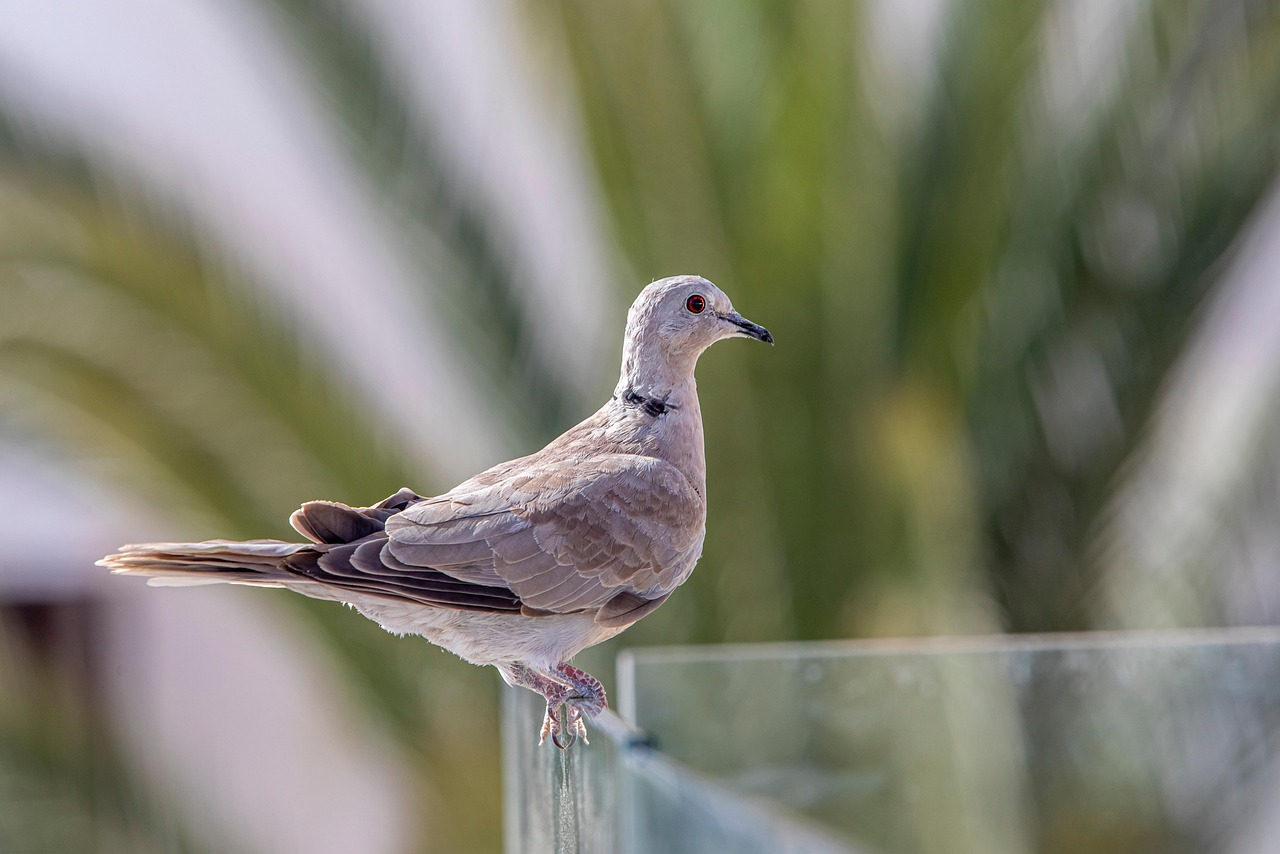
When I first started birdwatching, I treated it like a checklist. I walked fast, scanned constantly, and moved on the moment a trail felt quiet. It took a soaked boot and a twisted ankle on a muddy slope to teach me something better: the birds were never the problem. My restlessness was. These days, my best sessions begin with finding a decent seat — a fallen log, a dry tussock, a bench at the edge of a pond — and committing to stay there longer than feels comfortable.
The first five minutes are always the hardest. Your mind insists you are missing something just over the next rise. Your legs twitch. But if you wait, the woods slowly forget you are there. A robin that vanished at your approach creeps back down to the leaf litter. A wren begins churring from inside a bramble tangle. The landscape reassembles itself around your stillness, and you start to notice things a walking pace would never reveal.
What Twenty Minutes of Stillness Actually Reveals
Sitting still is not passive. It is a different kind of attention. Without footsteps masking sound, you begin to hear the layers underneath the obvious: the faint seep of a goldcrest high in a conifer, the dry ticking contact calls of long-tailed tits moving through the canopy like a string of tiny beads. You start to distinguish alarm notes from contact notes, and you learn that a scolding blackbird usually means something else is nearby — often a sparrowhawk, sometimes just the neighbor's cat.
Movement becomes meaningful too. When you are not the one moving, every flicker in your peripheral vision belongs to something else. I have watched a grey heron stalk for forty minutes, adjusting its neck by degrees so slowly that I could not tell when the change happened. I have seen a pair of nuthatches cache seeds in bark crevices, returning again and again to the same tree with obvious intent. None of this would have registered at walking pace.
Building the Habit Without Boring Yourself
Stillness needs a little structure or it collapses into daydreaming. I bring three things: a notebook, a thermos, and a small timer I rarely check. I write down the time I sit down, then sketch or note whatever happens for the first stretch. When my attention drifts — and it will — I do not scold myself. I simply pick a new focal point: a patch of moss, a tangle of roots, the gap between two branches, and watch that instead. Narrowing the frame often widens what you notice.
It helps to pick spots with natural edges, where two habitats meet. A hedgerow beside a meadow, a stream bank under alders, the boundary between woodland and lawn — these seams attract birds because they offer cover and food in the same place. Sit facing one of these edges, slightly back from it, and let the birds come to you.
The reward is not a longer list. It is a deeper one. You begin to know individual birds by their habits, not just their names, and the place you are sitting in stops being scenery and becomes a story you are slowly learning to read.