Keeping a Patch List: The Joys of Watching One Small Place Closely
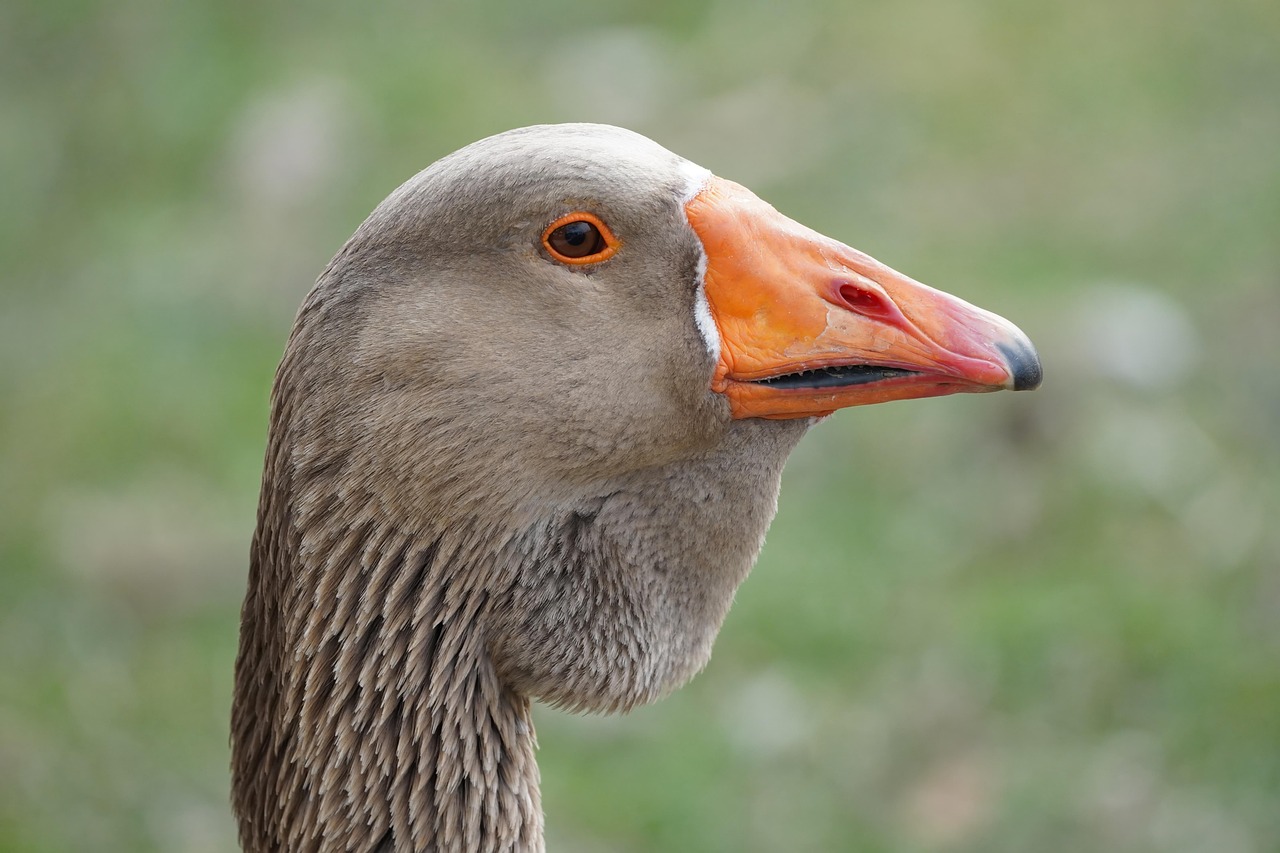
There is a small park near my house, perhaps fifteen acres, with a pond, a line of old limes, a scrubby corner that the council keeps meaning to tidy up, and a footpath that loops around the whole thing in about twenty minutes. I have walked it, by rough count, several hundred times. I have a patch list for it. It is not a long list. But it is mine, and every entry on it means something.
Patch birding is the opposite of twitching. Instead of travelling to see a particular bird, you stay in one place and let the birds come to you. The reward is not a long list of species. The reward is depth. You learn where the grey wagtails feed after rain. You learn which lime tree the nuthatches favour. You learn that the scrubby corner, the one everyone wants to tidy, is the single best spot in the park for warblers in spring and finches in winter. You learn the place, and in learning the place you learn the birds.
What a Patch List Actually Records
My patch list is not just a list of species. It is a list of moments. The first entry, a moorhen, was on a grey Tuesday in February when I had gone out mainly to clear my head. The sparrowhawk entry is dated the morning it shot through the limes and scattered a flock of goldfinches like leaves. The firecrest, a genuine surprise, was on a cold October day when I had almost turned back because of rain. I can tell you where I was standing for every single one.
I keep the list in the back of my nature journal, with dates and brief notes. Over the years it has become something more than a tally. It is a record of the park itself. I can see when the first chiffchaff arrived each spring, whether the redwings came early or late in autumn, and which winters brought siskins to the alders. None of this is rigorous data, but it is honest observation, and it is surprising how often it turns out to match what proper surveys find.
Starting Your Own Patch
You do not need a nature reserve. A patch can be a garden, a stretch of canal, a housing estate green, a cemetery, a single street of mature trees. The only requirements are that you can visit it often and that you pay attention when you do. Go at different times of day. Go in different weather. Sit still for ten minutes before you start walking, because birds settle when you stop moving.
Write down what you see, even the common things. Especially the common things. The woodpigeons and the starlings and the house sparrows are as much a part of your patch as anything rare, and their comings and goings tell you things about the place that a rare visitor never will. Keep the list. Date it. Add notes. In a year you will have something no field guide can give you: a portrait of one small place, seen properly, over time.