Notes from a Reservoir Edge: Watching Waterbirds in Winter Light
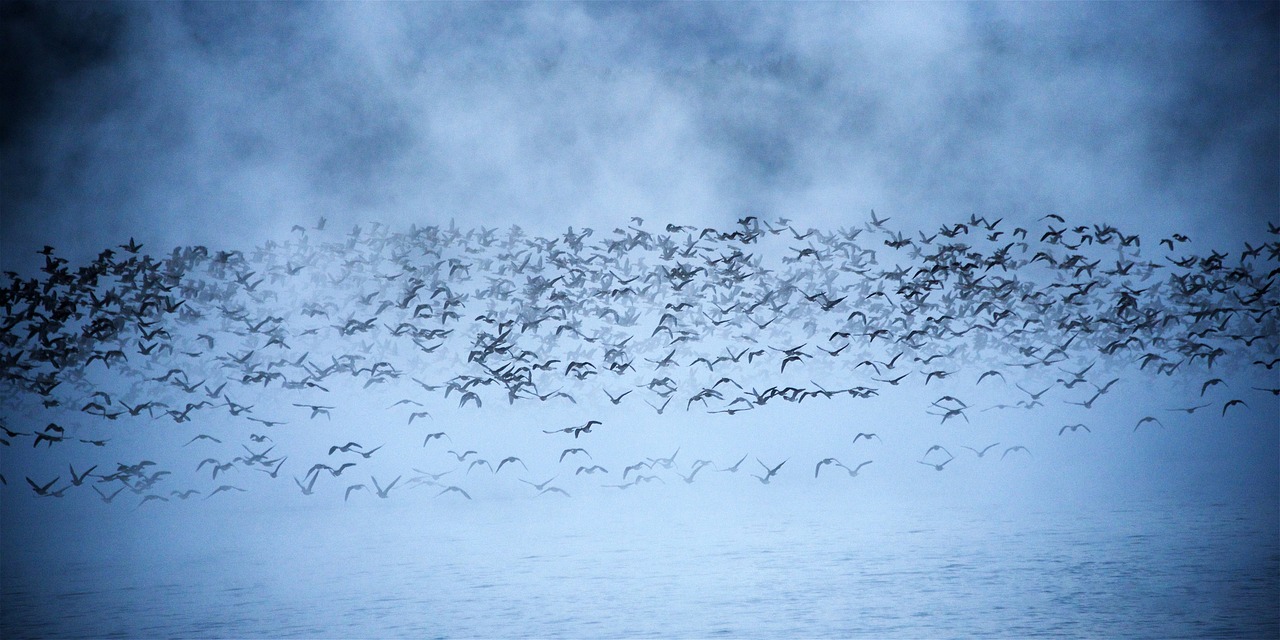
There is a particular kind of winter afternoon I have come to love: the sun already low at three o'clock, the light thin and silver, the water the color of pewter. On days like this I walk the path along the local reservoir, and the birds out on the water are transformed. Colors that look drab in summer glare — the browns and greys of diving ducks, the muted tones of grebes — take on a softness that makes them easier to see, not harder.
Winter is when the reservoir earns its keep. Many of the birds here are visitors, arriving from colder places to the north and east to spend the season on our comparatively mild water. The familiar resident species are still around, but they are joined by others, and the mix changes week by week. The flat, open water that seems so empty in July becomes a shifting puzzle of shapes and sizes.
Reading the Water: Shapes, Postures, and Dives
Most of the birds will be too far out to identify by plumage alone, especially in poor light. This is where posture and behavior do the work. Learn a few silhouettes and you can name most of what you see. The small, compact ducks that sit low and then vanish beneath the surface are divers — tufted ducks, pochards, goldeneyes. The larger ducks that tip forward, tail up, to reach underwater vegetation are dabblers — mallards, wigeon, teal. The slim, long-necked birds that swim with a deliberate, unhurried air are grebes, and the ones that seem to sink rather than dive are cormorants.
Watch the dive times. A goldeneye stays under for around twenty seconds and comes up somewhere unexpected, often far from where it went down. A little grebe pops up almost immediately, usually close by. These small habits become the field marks you rely on when the light fails.
Scan slowly, in strips, from near shore to far bank. Resist the urge to sweep the whole reservoir at once. Pick a section, work through it methodically, and note what is there. Then move on. On a good day I might count nine or ten species of waterbird without leaving a two-hundred-meter stretch of path.
Cold Light, Quiet Rewards
The winter light does something else, too: it simplifies. Without glare and heat haze, distant birds resolve more clearly against the water. A flock of lapwings standing on a far spit becomes a row of crisp black-and-white shapes. A great crested grebe in its pale winter plumage glows against the dark surface. Even the common mallard, caught in low sun, shows the fine vermiculation of its flank feathers in a way that summer light flattens out.
Dress for it and the cold stops mattering. Two pairs of socks, a hat that covers your ears, gloves you can slip off to write. Bring a flask. The birds are often most active in the last hour before dusk, when the light is at its most beautiful and least useful, and you will want to stay for it. I have stood on that path in near-darkness many times, watching shapes I could no longer identify, and gone home content. The notebook entry is short on names and long on weather, posture, and the sound of water. That is enough.