Field Notes on Rain: Why Bad Weather Makes for Good Birdwatching
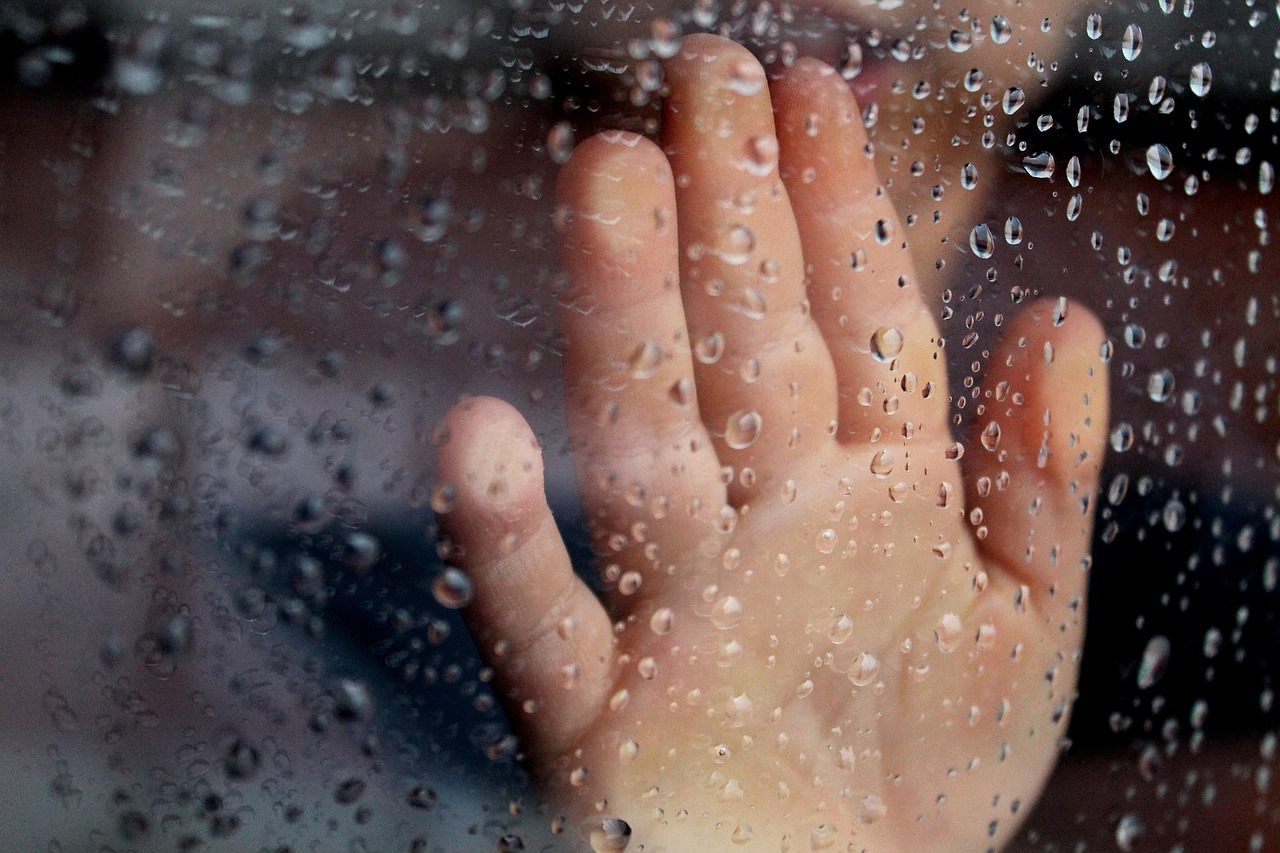
The forecast said rain, and the forecast was right. I stood at the kitchen window watching the drops run down the glass and debated whether to bother. The obvious answer was no. The less obvious answer, the one I have learned to trust over years of this hobby, was yes. Some of my best birdwatching has happened in weather that most people would call a write-off.
Rain changes bird behaviour in ways that are genuinely interesting to watch. It also changes human behaviour, which is to say it clears the woods and fields of everyone else. On a wet Tuesday in the middle of a nature reserve, you can often have the whole place to yourself. The birds are still there. They have to be. They cannot postpone their lives until the weather improves.
How Birds Behave in the Rain
Some species become more active, not less. Worms rise to the surface in wet soil, which is good news for blackbirds, song thrushes, and robins, and you will often see them working lawns and path edges with unusual determination. Wagtails and pipits feed happily in the open. Ducks and waders, unsurprisingly, are unbothered. Gulls, which many birders ignore, become genuinely worth watching in wet weather, especially when a front is moving through and odd species get pushed inland.
Other birds go quiet and skulk. Warblers and finches sit tight in dense cover, calling occasionally rather than singing. This is frustrating if you were hoping for a long list, but it is also a chance to practise your call recognition. On a wet morning I have often heard more than I have seen, and the discipline of identifying birds by voice alone has improved my birding more than any number of clear, easy days.
There is also the matter of light. Overcast skies give soft, even illumination with no harsh shadows, which is ideal for watching plumage detail. Colours look richer. A male chaffinch on a wet branch, with the grey light bringing out the subtle blues and pinks in its plumage, is a genuinely beautiful thing.
Practical Notes for a Wet Walk
Good waterproofs matter more than binoculars on a day like this, though both are worth having. A hood that does not flap is essential, because flapping fabric spooks birds. I carry a small dry bag for my journal, and I write with a pencil rather than a pen, since pencil survives damp paper. A hat with a brim keeps rain off the binocular lenses, which otherwise fog and spot constantly.
Go somewhere with shelter. Woodland edges, hedgerows, and the lee side of buildings and walls all concentrate birds on wet days, because birds seek the same shelter you do. Stand still, out of the wind, and let the birds come to you. They will. And when you get home, wet and slightly chilled, make a cup of tea and write up your notes while the details are fresh. Rainy days have a way of producing entries you would never get on a bright one. The forecast is rarely a reason to stay in. It is usually a reason to go out.