Sketching Beaks and Feet: What Drawing Reveals About How Birds Live
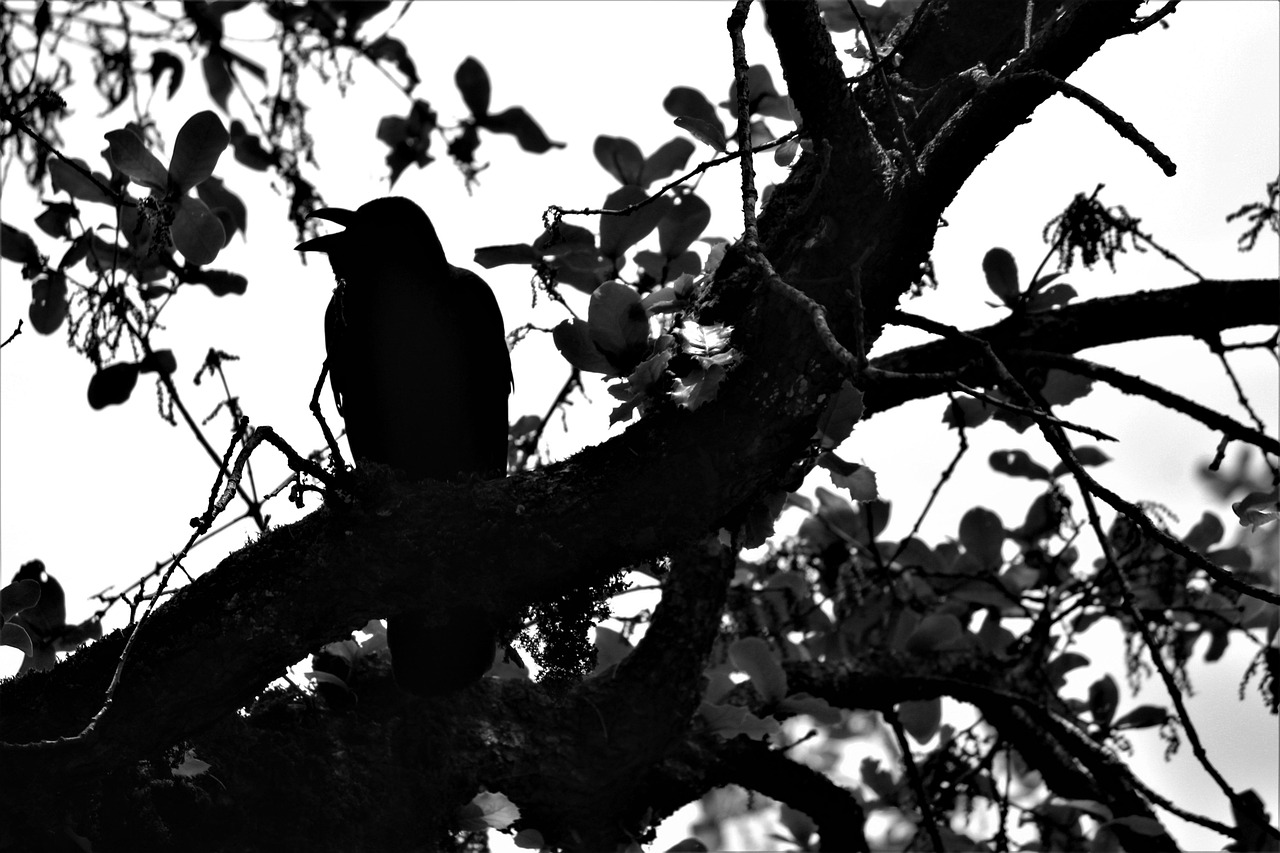
There is a moment in every nature journal when you realize the bird will not hold still long enough for a full portrait. Early on, this frustrated me. I would start with the eye, get three lines of the head, and then the subject would flick away into the bushes. My pages filled with half-finished ghosts. Then a friend who has kept journals for decades gave me advice I now pass on constantly: stop trying to draw the whole bird. Draw its tools instead.
Beaks and feet are where a bird's life is written. They are also, mercifully, the parts you can observe in fragments. A beak seen for two seconds is still a beak you can sketch from memory, and the shape tells you almost everything about what that bird does all day. Once I started a page of nothing but bills, my journal became a record of function rather than frustration.
Reading a Bill Like a Field Guide Written in Bone
A thin, straight, pointed bill belongs to something that picks insects from leaves or crevices — think of a treecreeper or a warbler. A short, stout, conical bill is a seed-cracker, built for finches and sparrows. The long, curved probe of a curlew is made for feeling through mud. The hooked, notched bill of a shrike is a weapon. The broad, flat, spatulate bill of a spoonbill is a sieve.
When you draw these shapes, you notice details that names conceal. The slight upward curve at the tip of an avocet's bill. The tiny bristles at the base of a flycatcher's. The way a crossbill's mandibles cross — to the left or the right, varying between individuals. Sketching forces you to look at the actual bird in front of you rather than the generic version in your memory. I have drawn dozens of house sparrow bills and they are never quite identical; the variation is the point.
Feet Tell You Where a Bird Belongs
Feet are even more revealing, and even more overlooked. A bird that spends its life clinging to vertical trunks, like a woodpecker or nuthatch, has feet built for gripping bark — strong, sharp claws and toes arranged to lock onto a surface. Ducks and coots have webbed or lobed feet for paddling. Herons and rails have long, spread toes that distribute weight across soft mud and floating vegetation. Swifts have feet so reduced that they can barely perch at all; they do almost everything in the air.
In my journal, I keep a running spread of feet sketches with short notes beside them: clings, wades, perches, paddles, grips, scratches. It has become one of the most useful pages I own. When I see an unfamiliar bird at a distance, I often notice its feet or its posture before I can make out plumage, and the feet alone narrow the possibilities fast.
None of this requires artistic skill. It requires only that you look at parts instead of wholes, and that you accept messy, incomplete drawings as the raw material of understanding. The bird flies off; the beak stays on the page; the knowledge stays with you.