A Year of Firsts: Starting a Seasonal Firsts List in Your Journal
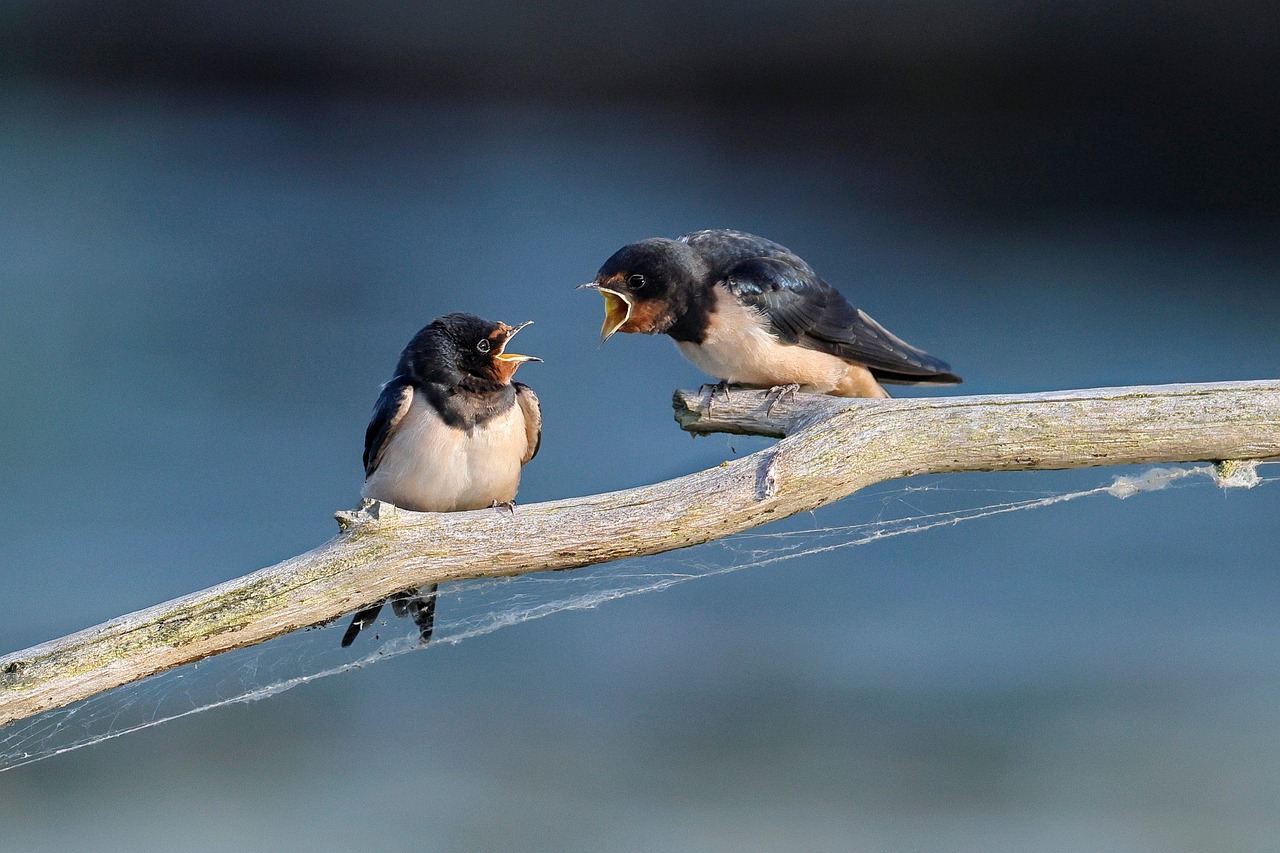
Every January, I turn to a fresh page and write a simple heading: Firsts. Below it, nothing yet. Through the year, that page fills with small entries — first song thrush in full voice, first bumblebee, first swift screaming over the rooftops, first ripe blackberry, first hard frost. None of these are rare events. That is exactly why they are worth writing down. A firsts list is not a record of rarities; it is a record of rhythm.
The idea is simple enough that anyone can start tomorrow. Pick a handful of seasonal markers you can actually notice in your own daily rounds — the places you walk, the window you look out of, the garden you tend. Write down the date when you first encounter each one. Do it again next year. Within two or three years, the page begins to talk back to you.
Choosing Markers You Will Actually Notice
The most useful firsts are the ones that land in your ordinary life. A friend of mine records the first day each year she hears a blackbird singing before breakfast. Someone else notes the first time the local pond holds a pair of mallards again in spring. I track the first chiffchaff — a small, plain warbler whose two-note song is one of the earliest signs of spring here — because it arrives while the trees are still bare and its voice carries.
Good candidates share a few traits: they are distinctive enough that you will not miss them, they happen at roughly the same time each year, and they require no special trip. The first house martin over the village. The first redwing on the lawn in autumn. The first day the frog chorus starts up in the pond down the lane. The first time you need gloves on the morning walk.
Keep the list short. Five to ten markers is plenty. A list of forty becomes a chore, and chores get abandoned. A list of eight becomes a ritual.
What the List Teaches You Over Time
The real value emerges slowly. You begin to see patterns no single year could show you. Some years spring arrives in a rush; others it stutters, warm days followed by cold snaps. You notice that certain species arrive in a cluster, while others spread out. You learn which markers are steady and which are erratic, and you start to wonder why.
I am careful not to over-interpret. A single year's date tells you almost nothing. Three years is interesting. Ten years is a document. The point is not to prove anything but to pay attention in a way that accumulates. My firsts page has become the spine of my journal; the rest of the pages hang off it. When I flip back through a year, the firsts give me the shape of it — the slow green unfolding of spring, the sudden quiet of late autumn, the way each season announces itself through the same small events, never quite in the same order.